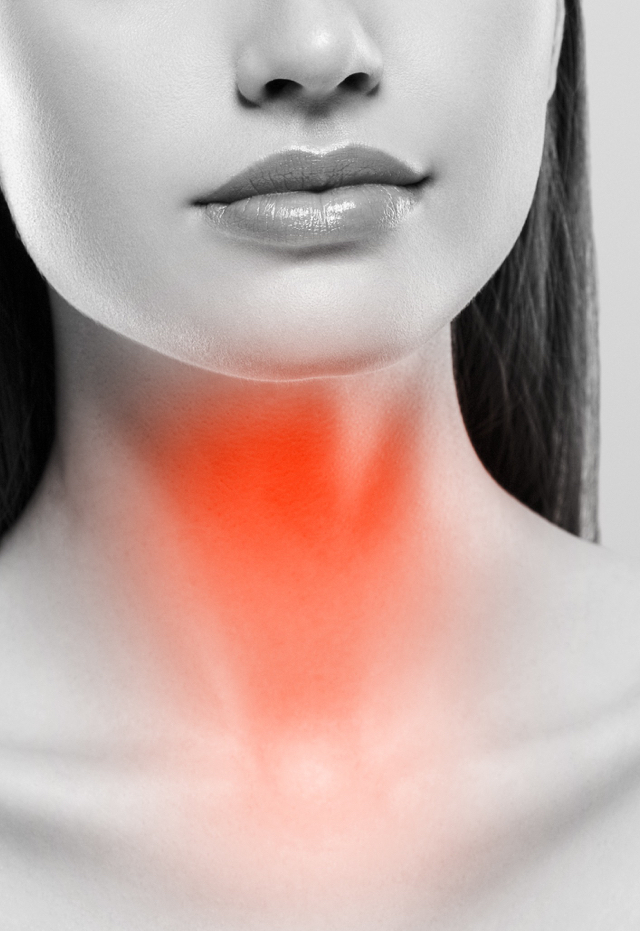

Hypothyroidism, or an underactive thyroid gland, is a very common condition. Thyroid disorders tend to run in families, therefore it is usually hereditary. It is caused when the thyroid gland does not produce enough thyroid hormones. This under-production of hormones slows down the body’s metabolism, often leaving patients feeling cold, tired and depressed. If you suffer from hypothyroidism then you are also likely to notice you have gained weight, despite following a sensible diet and exercising regularly, along with other uncomfortable symptoms.
Consequences of Hypothyroidism
The symptoms of hypothyroidism are unpleasant and can affect a person’s self-esteem, work, home and family life.
Symptoms include:
- Fatigue/drowsiness
- Cold intolerance
- Weight gain or increased difficulty losing weight (despite a sensible diet and exercise)
- Depression
- Constipation
- Abnormal menstrual periods or fertility problems
- Joint or muscle problems
- Thin, brittle hair and fingernails, and/or dry flaky skin
- Decreased libido
If left untreated, hypothyroidism can cause more serious complications and even become life-threatening. Severe complications of hypothyroidism include:
- A heart rate so slow that it can cause patients to slip into a coma
- Heart failure
- Severe life-threatening depression
- Coma
- Alzheimer’s disease (increased risk in women)
Source: Thyroid Aware and Endocrineweb.